October 7th
- Cara
- Oct 7
- 2 min read

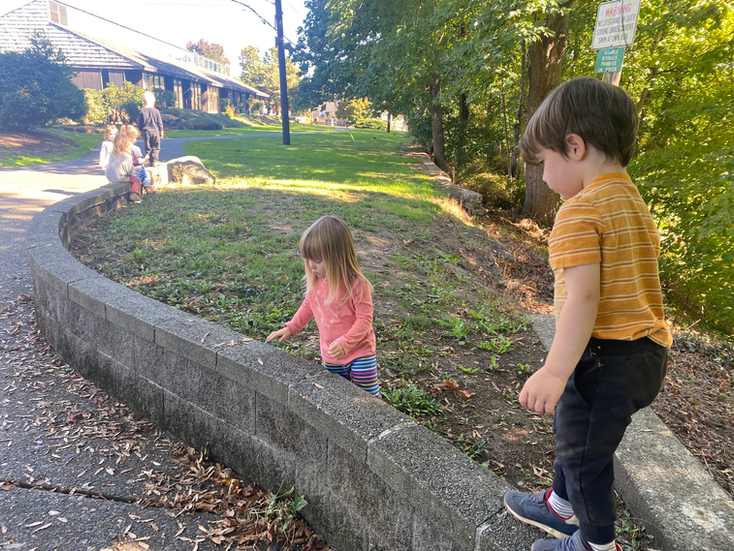
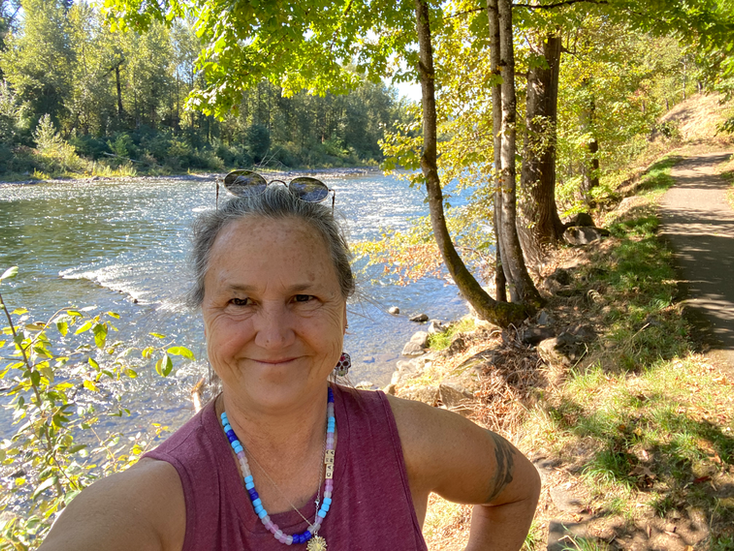
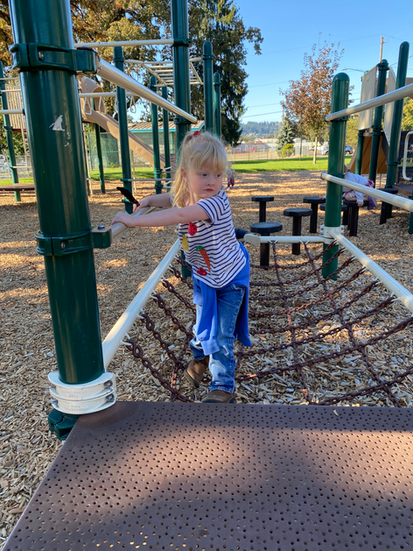
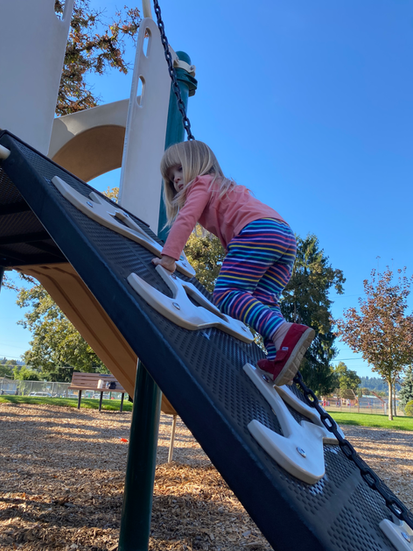
I'm sure none of you are surprised that today was an Adventure Day. It was simply too gorgeous for it not to be. We took the #32 bus to Maxwell Patterson Park, played at the playground there, walked over to the Clackamas river, enjoyed a picnic, and made our way back to school for rest time. Wonderful scary decorations to look at, trees at their best, and the river which simply nourishes the soul.
I introduced the Day of the Dead today. (Those who were here last year seemed to have forgotten what it's all about). I like to celebrate this holiday for many reasons- learning about different cultures, trying new foods, learning new words to name a few-but especially I like that it gives us a framework talk about the dead-our ancestors, our close family, our friends, even our pets, and to create a link between the living and the dead. I don't feel like our culture does much of that!
I invite you to bring in pictures or items representing people who have passed away to add to our ofrenda.
Elements of an Ofrenda
Papel picado serves as a colorful and meaningful trim: black represents death, purple means grief of mourning, pink is celebration, white symbolizes hope and yellow stands for the sun.
Sugar skulls, or calaveras, add a lighthearted touch, for both the dead and the living.
Cempasuchitl, the Aztec term for "marigolds" is the traditional flower used to honor the dead. It reflects the fleeting nature or life. Their aroma helps lure a spirit back.
Photograph(s) of the person(s) the altar is dedicated to help loved ones to remember them while they were in the prime of their lives.
Pan de muerto or "bread of the dead" is a sweet treat. Found at most panaderias, the round loaf is topped with a skull and crossbones.
Candles represent the cardinal directions and provide a lighted path to this world.
Salt, a symbol of purification, is for the dead to season the food you've offered them.
Christian iconography such as a Virgin Mary and Holy Cross reveal the holiday's European roots.
The deceased's favorite knickknacks, tools, or toys (for children) create a familiar setting for their return.
Four main elements of nature are found on an altar:
Wind: The papel picado also lets loved one know when the spirits have arrived.
Earth: The soul is nourished by favorite family dishes that represent the crops of the earth. Common edibles include fruit, mole, chocolate, and atole.
Fire: Visiting souls are illuminated from the shadow of death by candles. Each one represents a departed soul. Additional candles are added for forgotten souls.
















Comments